
Scrap Separation Plants
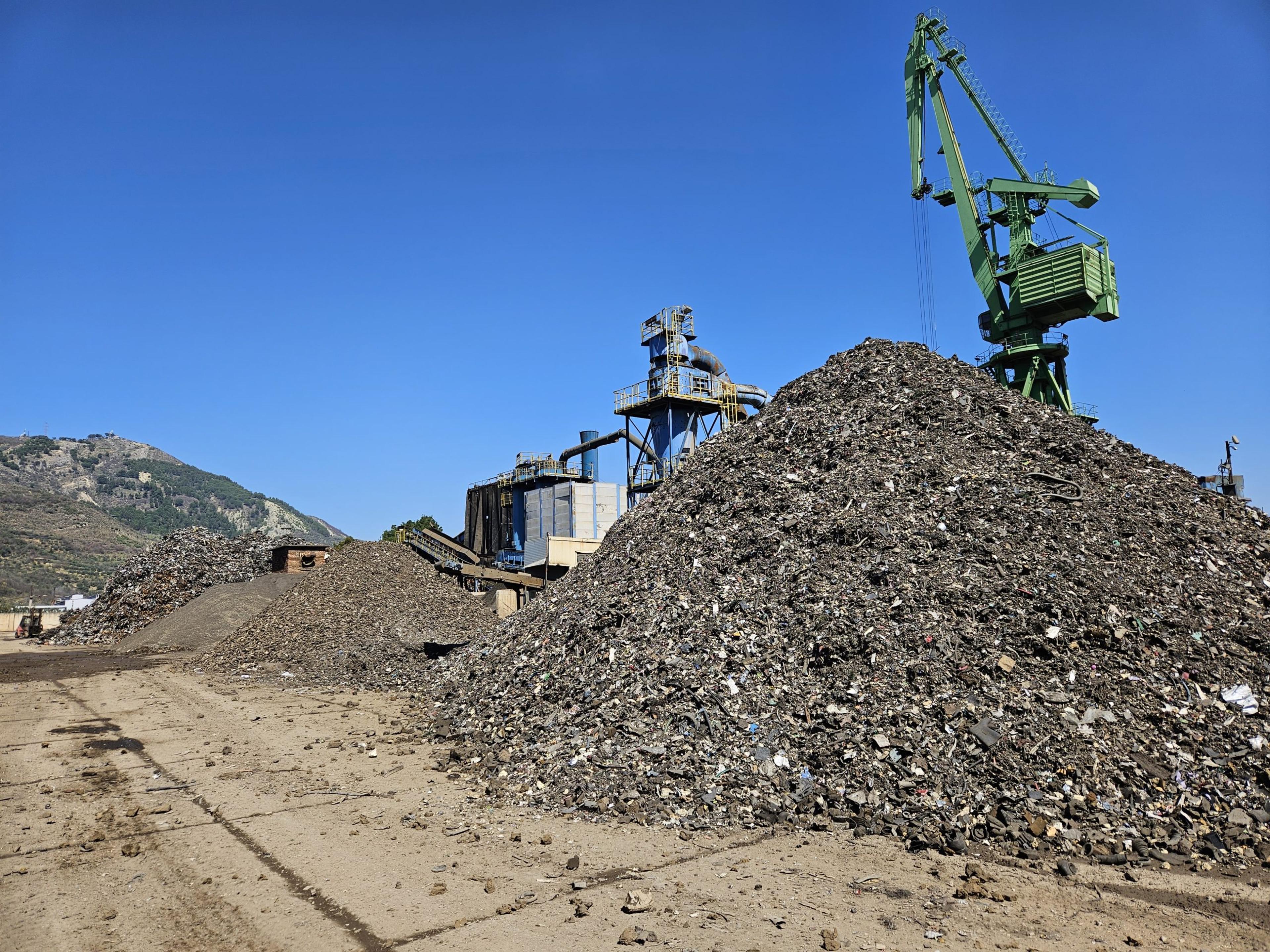
Iron & Steel Scrap Recycling Plants
Steel recycling is a long-established industry and steel scrap is a highly valuable resource for both scrap processors and steel mills. Scrap sources can be classified as steelworks/rolling-mill scrap, scrap collected during steel processing (new scrap), and end-user/consumer scrap (old scrap). In general, iron and steel scrap recycling involves collection, sorting, sizing, shredding and finally remelting at the steel mill. Ferrous scrap is collected separately or mixed and then sorted at the scrap yard. At the recycling plant, scrap is separated by metal type and prepared for shredding/sizing. For stainless steel, larger pieces are collected separately or pre-sorted before shredding, while smaller particles are recovered through multi-stage separation. After magnetic separation, non-ferrous metals, stainless steel, and non-metallic fractions can be further recovered using heavy-media and/or eddy-current separation methods.
BAS Electromagnetic & Overband Magnetic Separators (EMT, EMBS and MBS)
This method is one way of separating non-ferrous components from ferrous ones and is also widely used in the secondary aluminium preparation industry, with a wide variety of separators available. The most common are BAS EMT electromagnetic drum separators, BAS EMBS (Electromagnetic Overband Metal Separators – BAS®) and BAS MBS (Permanent Overband Magnetic Separators – BAS®), and the choice may differ depending on the plant. Scrap travels on a conveyor belt and passes under overband metal separators equipped with NdFeB permanent magnets or electromagnets; ferrous components subjected to the magnetic field are separated from the aluminium scrap, although the targeted scrap may still contain many impurities such as rubber, plastics, wood, attached components, non-ferrous metals, etc.
BAS Dry Magnetic Drum Separators
BAS dry magnetic drum separators are a common type of equipment that separates magnetic particles from non-magnetic ones, or relatively strong magnetic particles from weaker ones, based on magnetic susceptibility, particle size and shape. This equipment (Dry Magnetic Drum Separators – BAS®) is widely used in separating magnetic materials from steelmaking slags, purification of non-metallic ores, food and plastics processing, and aluminium and iron-and-steel recycling plants.
BAS ECS Eddy Current Non-Ferrous Metal Separators
These devices are based on inducing eddy currents in metals. Per Faraday's law, forces perpendicular to the magnetic field are generated. When the magnetic field passes through a conductive material, the induced forces — i.e. eddy currents — produce currents within the material that depend on its conductivity. BAS ECS Eddy Current non-ferrous metal separators (Eddy Current Non-Ferrous Metal Separators – BAS®) can be considered as a conveyor belt with a special magnetic field at its head. As non-ferrous metals approach the magnetic field they are ejected and directed into a dedicated collection chute, while inert materials drop freely into another chute. This technique is increasingly used in the recycling industry as it allows high-value metals to be recovered with great selectivity.
Contact the BAS team for our product portfolio and the right equipment selection.