
Slag Beneficiation Plants
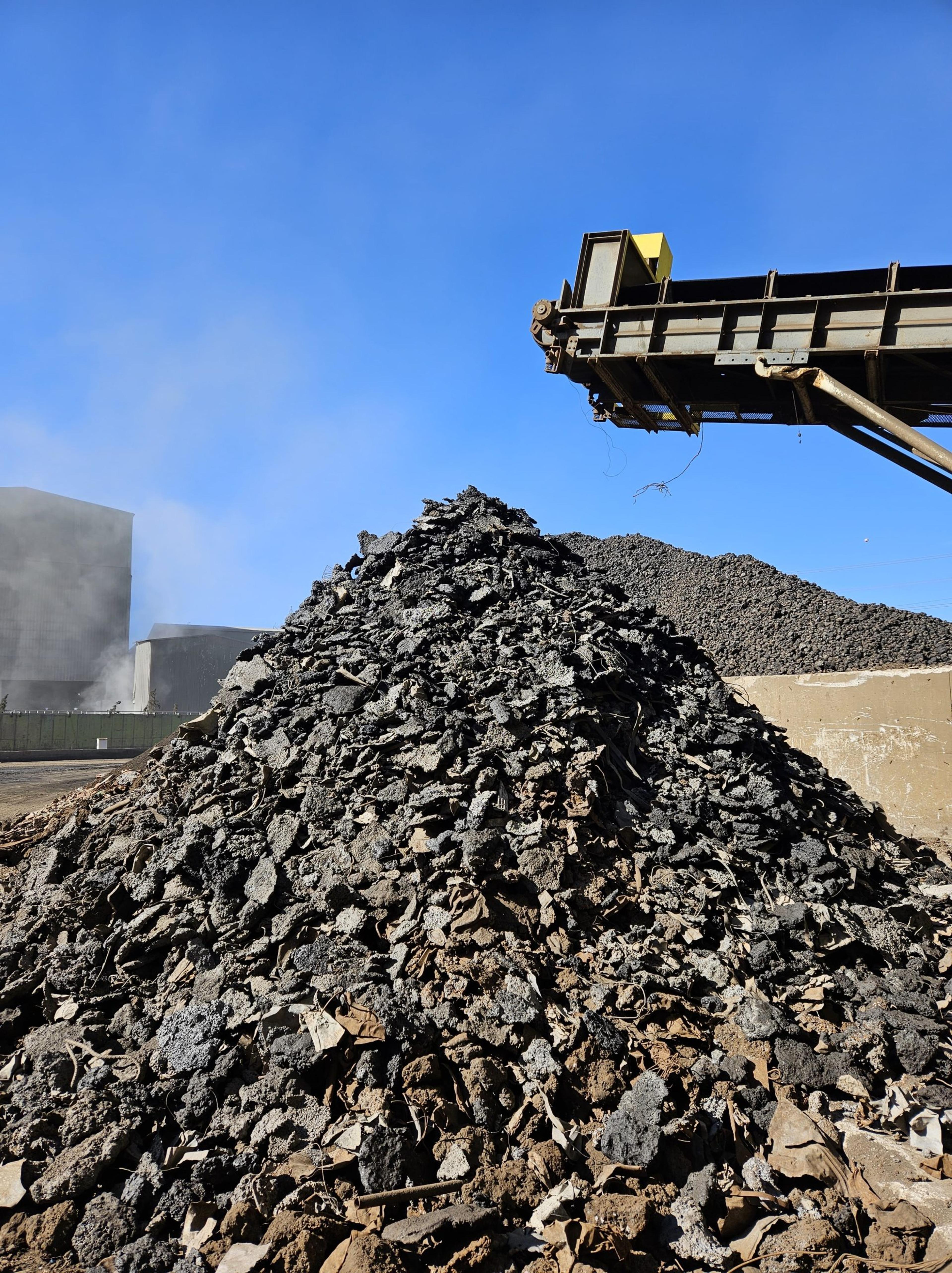
Lump Iron & Steel Slag Beneficiation Applications
BAS provides slag-beneficiation process flow design, detailed engineering and correct separation steps as a turn-key scope to maximise iron recovery from the maximum possible mass. Accurate slag mineralogy, liberation particle-size determination and appropriate beneficiation testing are the main criteria for project success. In iron and steel slag projects, high-capacity multi-stage crushers, abrasion-resistant heavy-duty screens, high-capacity overband electromagnetic separators, and drum-type magnetic separators are used.
Depending on production methods and volumes, these facilities generate large amounts of waste steel slag with high iron content. Because such steel slag contains high levels of undesired minerals, it cannot be reused as is. Storing or disposing of this slag at scale also incurs high costs and requires large, otherwise unusable areas. Recovering the slag delivers economic benefits to operators by feeding a valuable waste back into operations, while also bringing significant environmental improvement.
Foundry and steelworks slags — among the iron-rich wastes — originate from different production methods and therefore contain different amounts of iron and unwanted impurities. Because the slag emerging at the end of production has different sizes, the slag must first be liberated as far as possible while remaining as coarse as possible so that it can be returned to the foundry or steelworks feed system. For this reason, the liberation particle size, the beneficiation method and the multi-stage process flow are critically important.
Related Contents